
Surfaces Ready for Foundation and Building Work
Site Preparation in Many for new construction projects requiring cleared, leveled, and stable ground
A stable building site starts with proper ground preparation that removes vegetation, levels uneven terrain, and establishes drainage patterns that keep water away from foundations. Site preparation services from Louisiana Forestry Solutions handle the groundwork needed before construction crews arrive, including clearing trees and brush, rough grading to establish elevation, and removing topsoil or organic material that would compress unevenly under structural loads. The work ensures builders and contractors start with a clean, accessible surface that supports equipment operation and meets the basic requirements for foundation installation.
The process begins with clearing all vegetation and debris from the building footprint and access routes, then excavating or filling to achieve target grade elevations. Louisiana's expansive clay soils require attention to moisture content during grading, as overly wet conditions create a unstable surface that rutted equipment compacts into an uneven base. Operators shape the site to direct surface runoff away from the building area and toward drainage features, preventing water from pooling against future foundations during the area's frequent thunderstorms that can drop several inches of rain in a few hours.
Schedule a site evaluation to review clearing requirements, grading needs, and access considerations for your construction timeline.
Why Proper Site Preparation Works for Construction
Preparation work removes the organic topsoil layer that contains roots, decomposing vegetation, and high moisture content, exposing the denser subsoil that provides better load-bearing capacity. The rough grading establishes approximate finished elevations, though final grading to precise specifications happens later in the construction process after utilities are installed. Fill material gets placed in lifts and compacted to prevent settlement, particularly important in areas where the natural grade requires raising to meet flood elevation requirements common in Louisiana's low-lying parishes.
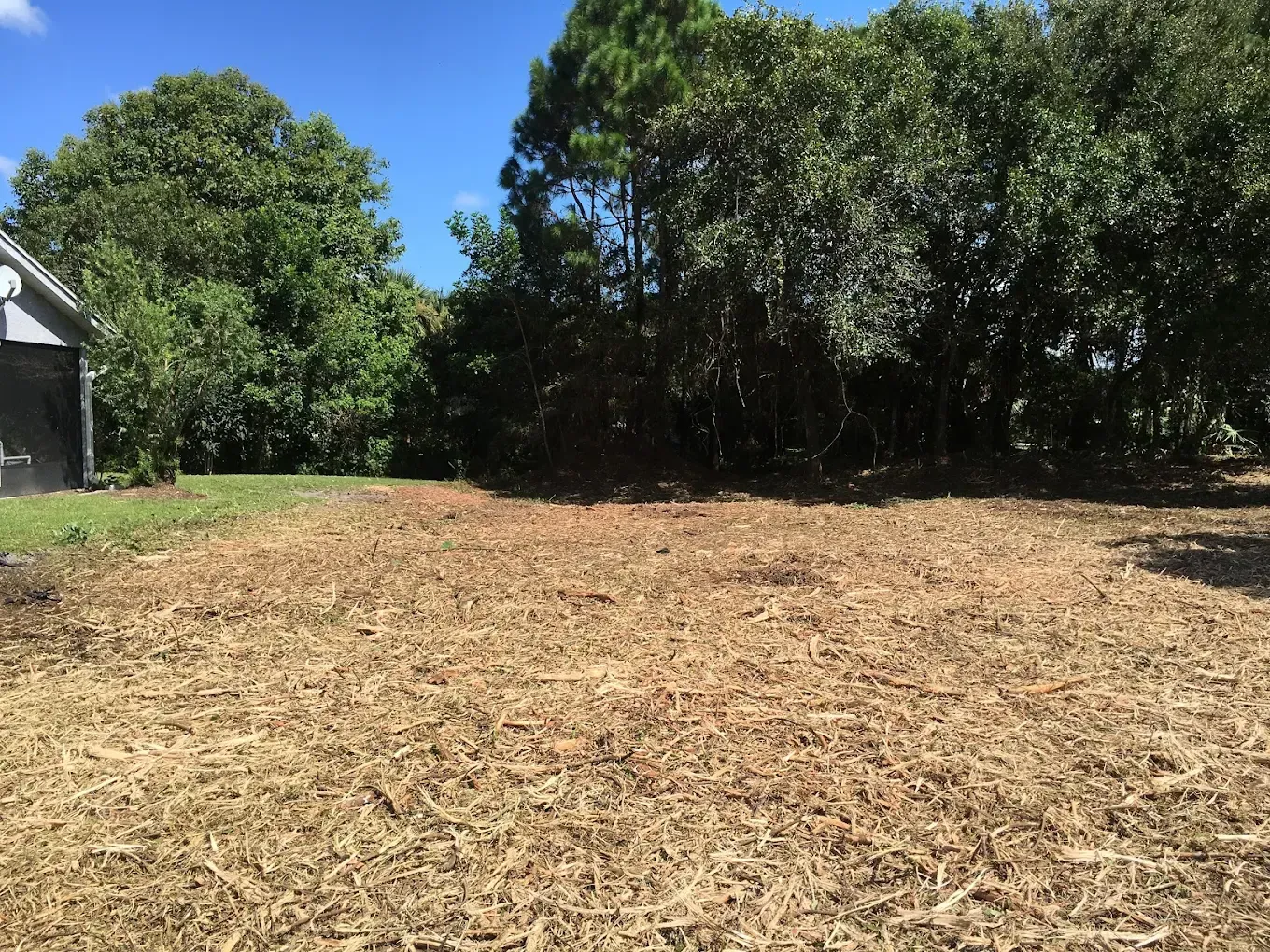
After site preparation completes, you'll see a cleared footprint with vegetation removed beyond the building area to provide workspace and equipment access, relatively level ground at the target elevation, and visible drainage slope that directs water away from the construction zone. The surface supports vehicle traffic without excessive rutting, and the site becomes ready for survey work, utility installation, and foundation contractors to begin their phases of work without delays caused by inaccessible or unsuitable ground conditions.
Coordination between clearing crews, utility contractors, and builders matters for keeping projects on schedule. Site preparation happens early in the construction sequence but needs to account for planned utility trenching, driveway locations, and septic system placement to avoid creating conflicts or requiring additional grading work later.
What Property Owners Usually Ask
Construction site preparation involves multiple considerations that affect project costs, timelines, and how well the finished site performs once building begins.
What gets included in site preparation?
The work typically includes clearing vegetation from the building footprint and access areas, removing stumps and roots from the construction zone, rough grading to establish drainage slope and approximate finished elevations, and clearing access routes for construction traffic.
How do Louisiana's soils affect foundation preparation?
The state's predominant clay soils expand when wet and shrink when dry, creating movement that foundation designs must accommodate through proper depth, reinforcement, and moisture management—site preparation shapes drainage to minimize moisture fluctuation in soil supporting the foundation.
When should site preparation happen relative to other construction phases?
Clearing and grading typically occur first to provide access and workspace, followed by utility installation that may require additional trenching and grading, with final precise grading happening after utilities are in place but before foundation work begins.
Does site preparation address drainage beyond the building footprint?
Responsible preparation establishes surface flow patterns across the entire cleared area to prevent water from collecting in low spots or flowing toward the building location, with adjustments made during final grading once all underground work finishes.
What determines whether fill material is needed?
Sites with natural grades below target elevation, areas with unsuitable organic soils that need replacing, or locations with flood elevation requirements may need imported fill material placed and compacted to create a stable building platform at the correct height.
Louisiana Forestry Solutions works with builders and contractors to sequence site preparation around construction schedules and site-specific requirements. Contact the team to arrange a pre-construction site visit and receive preparation estimates based on your building plans and current ground conditions.