Boundaries That Are Actually Visible
Property Line Clearing in Many for landowners preparing for fencing, surveys, or boundary disputes
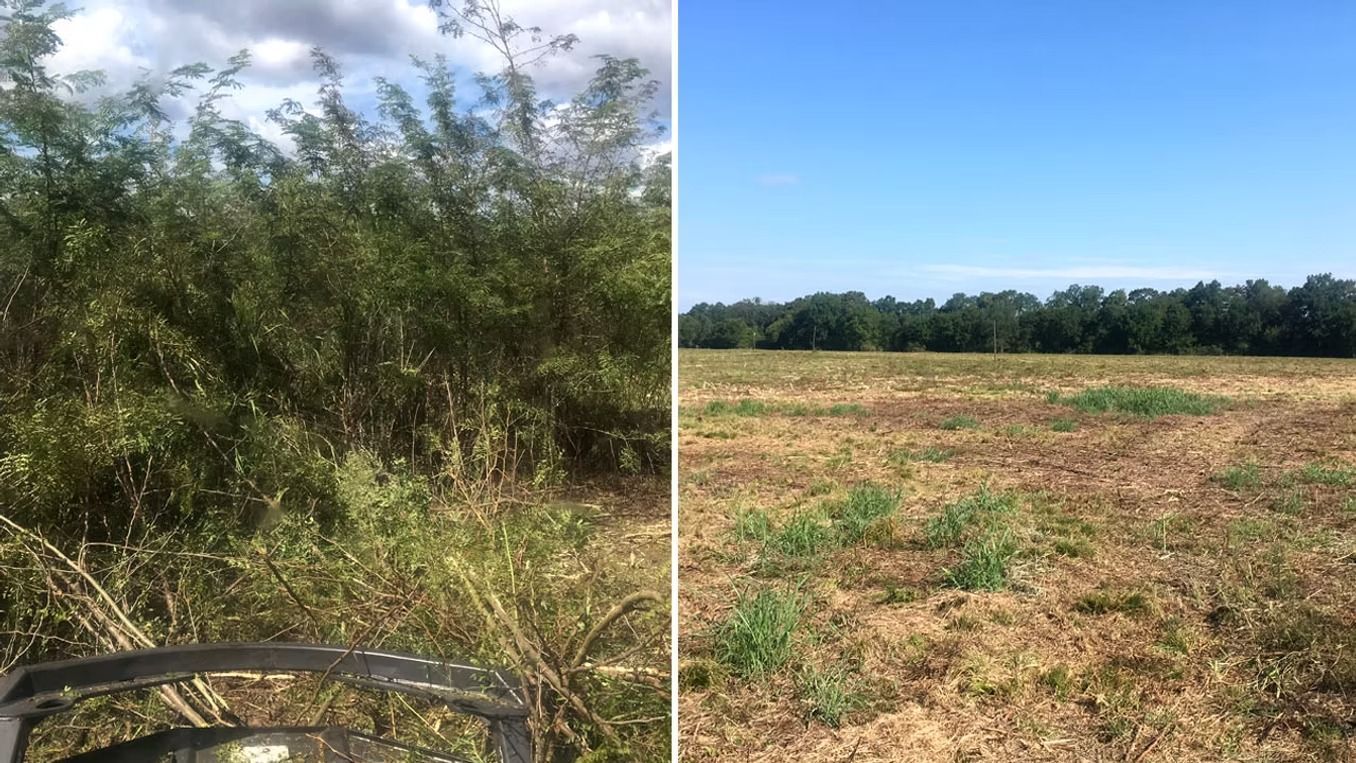
Overgrown fence lines and unmarked boundaries make it impossible to know where your property ends and a neighbor's begins. Louisiana Forestry Solutions clears property and fence lines to restore visibility and access, removing brush, saplings, and overgrowth that obscures surveyor pins and prevents fence installation. Once the line is cleared, you can see the full boundary, locate corner markers, and move equipment along the edge without fighting through tangled undergrowth.
The clearing process removes woody vegetation and small trees growing along the boundary, cuts back encroaching brush, and creates a clean corridor that defines the property edge. In rural areas of Louisiana where pine and hardwood regeneration happens quickly, property lines can disappear within a few growing seasons if not maintained, leading to disputes over where one tract ends and another starts.
Arrange a property assessment to identify boundary markers and plan clearing width based on your fencing or management needs.
How Line Clearing Addresses Access Problems
Vegetation is cut flush to the ground or removed entirely depending on whether you need a clean surface for fence posts or just visibility for surveying. Debris is either mulched in place if the material is light, or piled and removed if the volume would interfere with your next step, whether that's stringing wire or marking corners for legal documentation.
After clearing, the property line becomes a defined corridor you can walk or drive along without obstruction, surveyor tape and pins are easy to locate, and fence contractors have a clear workspace for setting posts. The straight, clean edge gives the property a maintained appearance and makes it obvious where your management responsibility begins.
This service clears the line itself but does not include surveying or fence installation. If your property has never been surveyed or you're uncertain about boundary locations, a licensed surveyor should mark the line before clearing begins to ensure work stays within your legal property limits.
Common Questions About This Service
Landowners in Many and surrounding areas often need clarity on clearing width, timing, and what happens to removed material before starting line work.
How wide should a property line be cleared for fencing?
A corridor eight to twelve feet wide gives fence installers room to work and allows you to maintain the fence line with a tractor or mower without damaging posts or wire.
What happens to trees growing directly on the boundary line?
Trees on the line are typically shared property under Louisiana law, so removal may require neighbor consent. Clearing focuses on vegetation clearly within your property unless you provide documentation of agreement or survey evidence showing the tree is entirely on your side.
When is the best time to clear lines in northwest Louisiana?
Late fall through early spring, when deciduous trees have dropped leaves and the ground is firmer, makes it easier to see existing markers and reduces rutting from equipment. However, clearing can happen year-round if conditions allow.
Can old fence wire and posts be removed during line clearing?
Yes, remnants of previous fences are typically removed and hauled off so they don't interfere with new fencing or create hazards along the cleared corridor.
How often do property lines need reclearing to stay visible?
In Louisiana's growing climate, annual or biannual maintenance keeps lines open. Without ongoing brush control, saplings and vines can reestablish a dense screen within two to three years.
Louisiana Forestry Solutions provides efficient property line clearing for parcels of all sizes across Many and nearby communities. Contact the office at (318) 332-1213 to schedule line clearing and discuss debris removal options based on your property's conditions.