Fields That Stay Manageable Year-Round
Bush Hogging in Many for pastures, roadways, and agricultural land requiring regular maintenance
When grass, weeds, and saplings grow unchecked on large acreage, the property becomes unusable for grazing, difficult to traverse, and a liability for fire risk during dry months. Bush hogging cuts and maintains pastures, fields, and roadways by mowing dense vegetation that standard lawn equipment cannot handle, keeping land clean, accessible, and under control. Louisiana Forestry Solutions operates heavy-duty rotary cutters designed to handle tall grass, woody brush, and small trees up to several inches in diameter across properties in Many and surrounding parishes.
The process involves running a tractor-mounted brush hog across the area, cutting everything down to a uniform height that prevents regrowth from shading out desirable forage or blocking sight lines along roadways. This is not finish mowing—it's rough cutting meant to control aggressive growth and maintain functionality on rural land where appearance matters less than usability and safety.
Request an estimate based on acreage and current vegetation density to plan one-time clearing or seasonal maintenance.
What You Notice Once Brush Hogging Is Finished
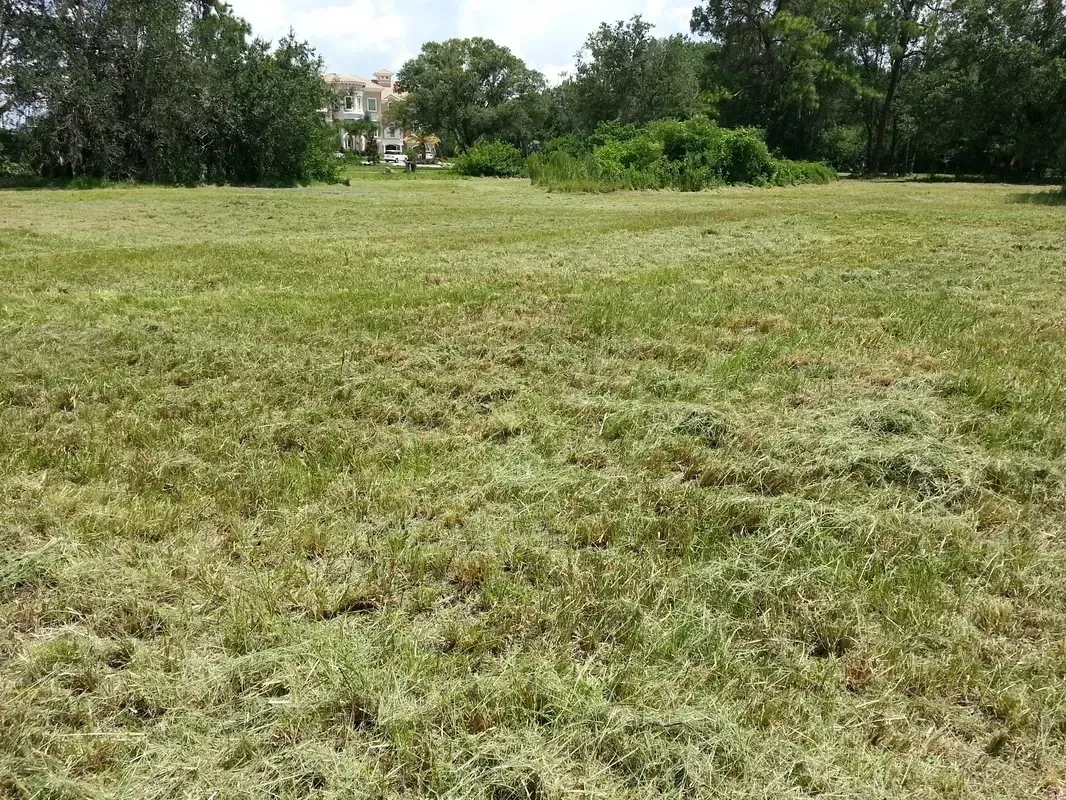
Vegetation is cut low enough that you can walk or drive across the property without fighting through chest-high weeds, livestock can access the entire pasture instead of avoiding overgrown sections, and fire breaks become visible again along property edges. The cut material is left in place to decompose, which returns organic matter to the soil but means the field will look rough for a few weeks until the clippings break down or get trampled.
After the initial cut, you'll see the full extent of your usable land, fence lines become accessible for repair, and regrowth slows significantly because sunlight now reaches the ground plane and competition from tall weeds is eliminated. Properties that were becoming forested revert to open ground that can be grazed, planted, or maintained with less effort going forward.
Bush hogging controls existing growth but does not prevent regrowth. Depending on rainfall and soil fertility, you may need follow-up cutting once or twice per growing season to keep the property in maintained condition, especially in areas with aggressive species like privet or Chinese tallow.
Answers to Frequent Service Questions
Property owners across rural Louisiana typically want to know about cutting height, seasonal timing, and how often maintenance is needed before scheduling work.
What size trees and brush can a bush hog handle?
Equipment used by Louisiana Forestry Solutions cuts saplings and woody brush up to three or four inches in diameter. Larger trees require forestry mulching or selective removal rather than rotary cutting.
How low is vegetation cut during bush hogging?
Cutting height is typically set between four and eight inches depending on terrain roughness and whether you need a close cut for grazing or just general clearing. Lower cutting increases the risk of scalping on uneven ground.
When should fields be bush hogged in Many to prevent regrowth?
Late spring after the first major growth spurt and again in late summer before fall rains encourage another flush. Cutting before seed set reduces the number of new plants establishing the following year.
Can bush hogging be done on wet ground without causing damage?
Heavy equipment creates ruts in saturated soil, so wet-season work is limited to higher ground or properties with sandy loam that drains quickly. Clay-based pastures in northwest Louisiana need dry conditions to avoid compaction and rutting.
Is the cut material removed or left in the field?
Material is left in place unless you arrange hauling separately. Most landowners allow it to decompose naturally, which takes several weeks depending on moisture and temperature.
Louisiana Forestry Solutions offers both one-time clearing and recurring maintenance plans for properties that need seasonal control. Call (318) 332-1213 to discuss your acreage and schedule bush hogging based on current field conditions.