Overgrown Property Restored to Usable Condition
Land Reclamation in Many for neglected tracts, storm-damaged areas, and properties left unmanaged for years
Land that has been abandoned, storm-damaged, or left unmanaged for multiple years develops dense undergrowth, volunteer tree growth, and debris accumulation that makes the property unusable and nearly impossible to assess. Louisiana Forestry Solutions restores overgrown and neglected land by removing brush, unwanted vegetation, and debris, transforming tracts back into condition where they can be farmed, built on, or managed according to your long-term plans. Reclamation work in Many and nearby areas often involves clearing properties that were once pasture or cropland but have reverted to thick scrub and saplings after years without maintenance.
The process begins with evaluating what's on the property—whether it's salvageable timber, invasive species, or simply dense regrowth—and then systematically removing vegetation and debris to expose the underlying ground. Equipment used depends on the density and size of growth, ranging from forestry mulchers for heavy brush to excavators for removing stumps and root systems that would interfere with future land use.
Schedule a site visit to assess current land conditions and develop a reclamation plan based on your intended use.
What Land Reclamation Actually Accomplishes
Vegetation is cut, mulched, or removed depending on volume and type, debris such as fallen trees and old fencing is hauled off, and the land is cleared to a baseline condition where you can see property boundaries, assess topography, and begin planning next steps. In Louisiana's climate, properties left alone for five years or more can develop tree canopies and understory thick enough to obscure structures, water features, and soil problems that need addressing before development or agriculture can resume.
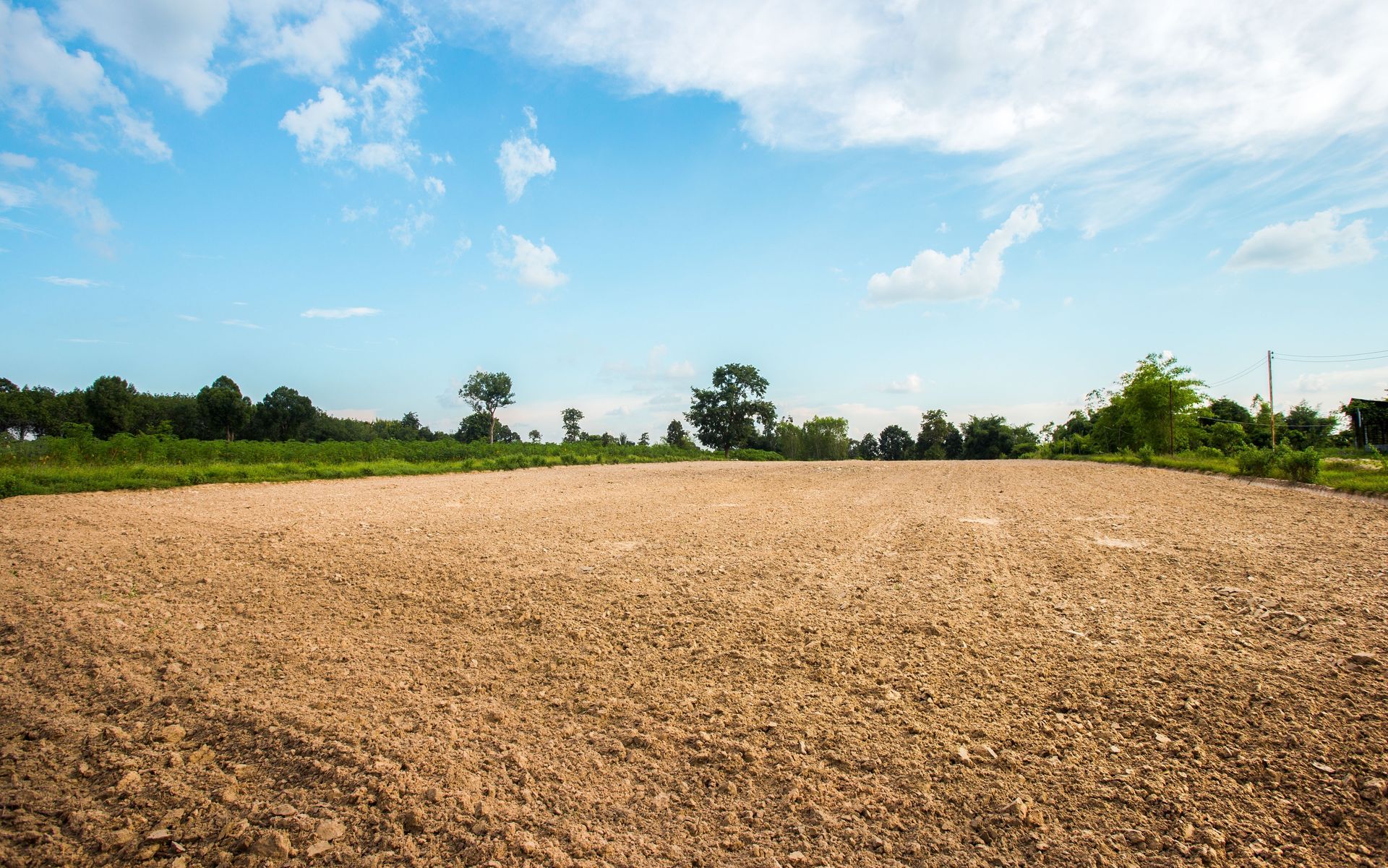
Once reclamation is complete, the property looks and functions like managed land again—you can walk the entire tract without fighting through brush, equipment can access all areas for soil work or construction, and the land value reflects usable acreage rather than abandoned overgrowth. The transformation makes it possible to fence, grade, plant, or build depending on what the property will be used for going forward.
Reclamation clears the land but does not include grading, drainage installation, or soil amendment. If the property has erosion damage, standing water, or soil compaction from years of neglect, those issues require separate work after vegetation removal to prepare the site for its next use.
What Property Owners Usually Ask
Owners of neglected land in Many and surrounding parishes often need guidance on timelines, costs, and what to expect before committing to reclamation work.
What factors determine how long reclamation takes?
Acreage, density of growth, and how much debris needs hauling. A ten-acre tract with light brush may take a few days, while heavily wooded land with decades of accumulated debris can take weeks to clear completely.
How does reclamation differ from standard land clearing?
Reclamation typically involves more debris removal and addresses properties with unknown conditions, whereas standard clearing works on land with known vegetation and minimal trash or structural remnants. Reclamation often uncovers old equipment, buildings, or waste that must be handled separately.
Can reclaimed land be used immediately for farming or construction?
Once cleared, the land is accessible, but soil quality and drainage must be evaluated before planting or building. Years of neglect often result in compacted soil, invasive root systems, or erosion that needs correction.
What happens to large trees during reclamation?
Trees can be removed entirely, cut and left as logs if you want firewood, or mulched in place if they're small enough. Valuable timber species may be worth having milled rather than simply cleared, depending on size and market conditions.
Is reclamation a one-time service or does land need ongoing maintenance afterward?
Reclamation brings land back to baseline, but without follow-up maintenance, regrowth begins immediately in Louisiana's climate. Most landowners plan for periodic mowing, spraying, or grazing to keep reclaimed land from reverting to overgrowth.
Louisiana Forestry Solutions tailors reclamation work to match your goals for the property, whether that's preparing for development, returning land to agricultural use, or simply making it manageable again. Reach out to discuss your property's current state and receive a customized reclamation approach based on what the land will be used for next.