Land Restored for Sustainable Long-Term Use
Reforestation Work in Many for previously cleared tracts requiring replanting and habitat improvement
Louisiana's forests recover slowly after heavy clearing or timber harvest, particularly on properties where soil compaction, erosion, or invasive species prevent natural regeneration. Reforestation work prepares these tracts for replanting with native or commercially valuable species, establishes ground cover to prevent erosion, and creates conditions that support long-term forest health. Louisiana Forestry Solutions works with landowners managing timber investments, improving wildlife habitat, or restoring land value after damage from storms, fire, or poor previous management practices.
The process begins with site assessment to identify soil conditions, drainage patterns, and existing vegetation that would compete with new plantings. Preparation may include clearing residual brush, breaking up compacted soil, establishing erosion control measures on slopes, and treating invasive species like Chinese privet or cogongrass that would otherwise outcompete desirable seedlings. Species selection depends on your objectives—pine for timber production, mixed hardwoods for wildlife habitat, or specific species to meet conservation program requirements.
Request a planning session to review your property's reforestation potential and explore species options suited to your soil type and management goals.
What Changes After Reforestation Preparation Completes
Proper site preparation creates conditions where seedlings establish root systems quickly rather than struggling against compacted soil, competing vegetation, or poor drainage. The work may include subsoiling to break up hardpan layers common in Louisiana clay soils, establishing firebreaks to protect young plantings, and applying pre-emergent treatments to suppress weed growth during the critical first growing season. Northwest Louisiana's rainfall patterns support good seedling survival rates when plantings occur during the dormant season from December through February.
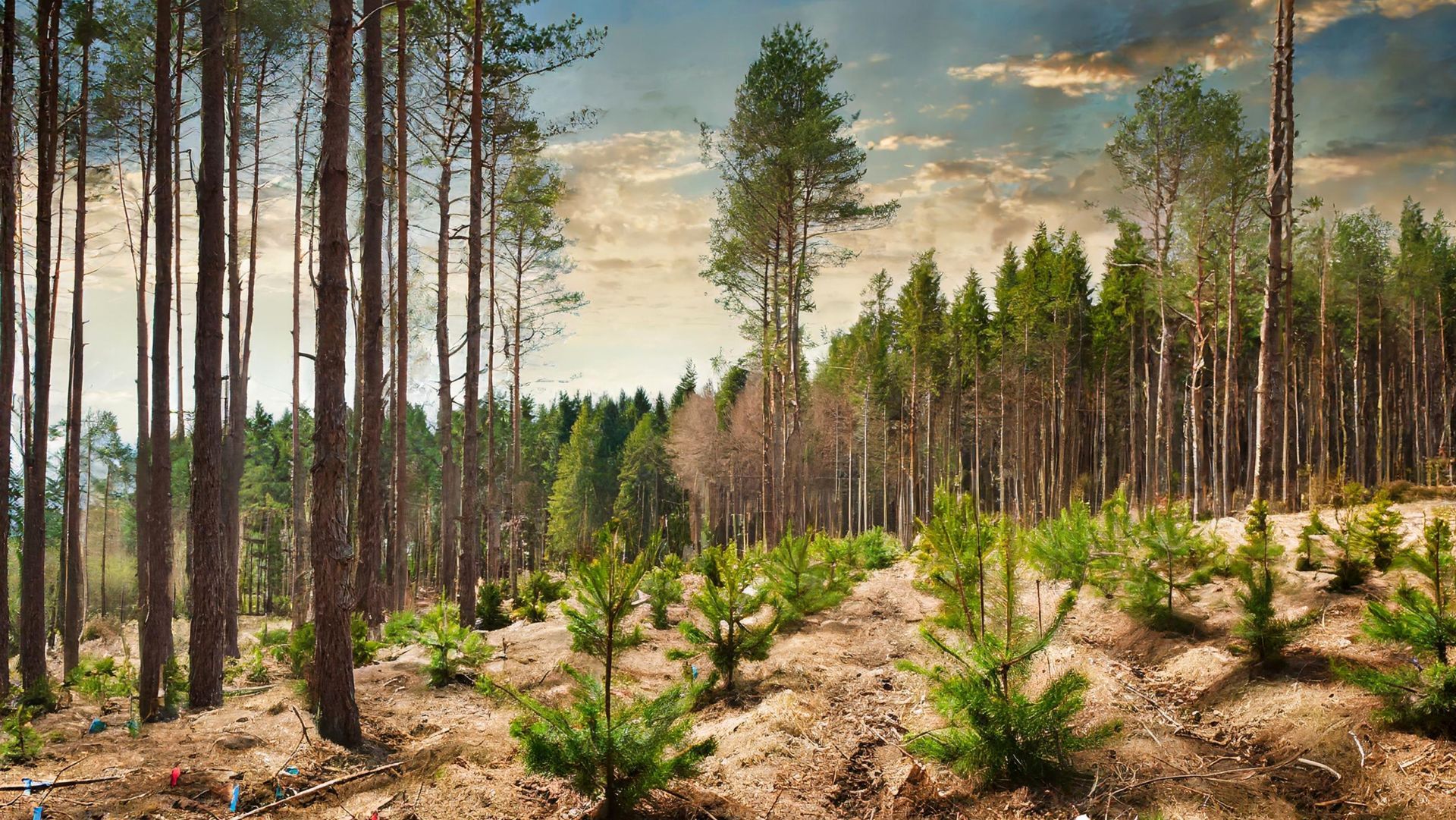
After preparation and planting finish, you'll notice rows of seedlings spaced according to your management plan, cleared ground between rows that allows monitoring and future access, and visible erosion control measures like silt fencing or seeded cover crops on vulnerable slopes. The land transitions from unproductive scrub to managed forest over the following years, with growth rates depending on species, soil quality, and maintenance efforts like periodic release treatments to control competing vegetation.
Reforestation projects often qualify for cost-share programs through USDA Natural Resources Conservation Service or Louisiana Department of Agriculture and Forestry, which offset preparation and planting expenses for landowners meeting specific criteria. Documentation requirements and application deadlines vary by program, so planning several months ahead helps coordinate site work with funding timelines.
Answers to Frequent Service Questions
Landowners new to reforestation often need guidance on species selection, timing, and what level of ongoing management successful establishment requires.
What determines which tree species to plant?
Your objectives drive species selection—loblolly pine grows fast and produces commercial timber in twenty to thirty years, while oak and other hardwoods grow slower but provide better wildlife value and may qualify for specific conservation programs depending on site conditions.
How does soil type affect reforestation success?
Many sits in a transition zone between sandy uplands and clay bottomlands, with well-drained sandy loams supporting pine establishment better than heavy clays that stay saturated and require hardwood species tolerant of wet conditions like water oak or sweet gum.
When should reforestation work be scheduled?
Site preparation typically happens in late summer or fall to allow soil settling before planting, with seedling installation occurring during dormancy from December through February when trees are not actively growing and transplant stress stays minimal.
What maintenance do new plantings need?
Seedlings require periodic release treatments during the first three to five years to control competing vegetation, with herbicide application or mechanical mowing timed to suppress grasses and woody sprouts without damaging the desired trees.
How long before reforested land shows results?
Pine seedlings reach chest height within three to five years under good conditions, while hardwoods grow slower and may take seven to ten years to establish a visible canopy, with both requiring decades to reach commercial harvest size or mature wildlife habitat value.
Louisiana Forestry Solutions coordinates with seedling suppliers and conservation agencies to streamline reforestation projects from planning through establishment. Schedule a property visit to assess site conditions and discuss preparation requirements specific to your acreage and objectives.