Roads Built to Handle Heavy Use
Dirt and Gravel Road Work in Many for farms, hunting land, and construction sites needing reliable access
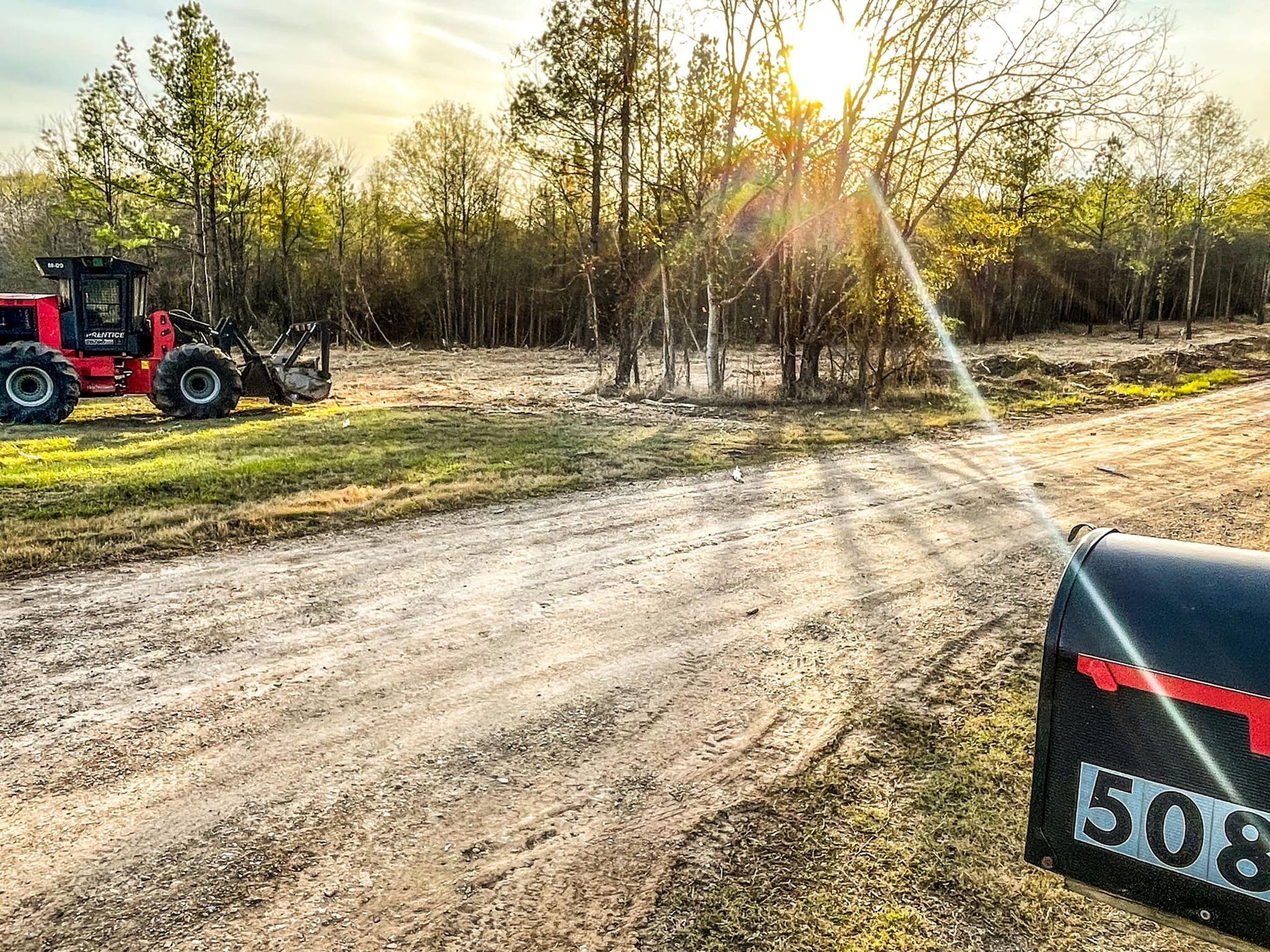
Louisiana Forestry Solutions builds and repairs dirt and gravel roads designed for residential and commercial use across Many and surrounding parishes. When you need access to remote property, job sites, or rural acreage, properly constructed roadways handle equipment weight, seasonal rain, and repeated traffic without washing out or developing impassable ruts. The difference between a road that lasts and one that fails after the first storm comes down to grading precision and drainage integration.
The work involves clearing the roadbed, establishing proper grade and crown for water runoff, and placing gravel material in compacted layers that support vehicle weight without shifting. In areas with high clay content or seasonal flooding common to northwest Louisiana, the base preparation determines whether the road remains stable through wet months or turns into a mud channel that traps trucks and tractors.
Schedule an on-site evaluation to review your property access needs and discuss grading requirements.
What Proper Road Construction Requires
The roadbed is cleared to remove organic material that would decompose and create soft spots, then shaped with a slight crown so water moves to the edges instead of pooling in wheel tracks. Gravel is spread in lifts and compacted to create a surface that distributes load evenly, preventing the rutting and washboarding that make roads impassable during rain or after heavy equipment passes.
Once finished, you'll notice vehicles no longer sink into soft ground, water drains off the surface within hours instead of standing for days, and the road maintains its shape through seasonal use. Louisiana Forestry Solutions handles material placement with attention to drainage structures like culverts and ditches that keep water from undermining the road base during heavy rain events typical of the region.
The service includes grading and leveling but does not include paving or asphalt installation. If your property requires ongoing maintenance or periodic regrading due to high traffic volume, that can be arranged as a separate maintenance schedule rather than a one-time build.
Questions Before Starting Your Project
Property owners working with Louisiana Forestry Solutions often ask about road longevity, material choices, and maintenance timing before construction begins.
What determines how long a gravel road lasts before needing repair?
The base preparation and drainage design matter more than gravel depth. Roads built without proper crown or side ditches wash out quickly in Louisiana's rainfall patterns, while roads with integrated drainage can last years between maintenance cycles even under heavy use.
How does clay soil in northwest Louisiana affect road stability?
Clay expands when wet and becomes slick, so roads built over clay require deeper gravel beds and more aggressive drainage to prevent the base from turning into a slippery layer that allows the gravel to shift sideways under load.
What type of gravel works best for roads that see logging or construction equipment?
Crushed limestone or chat with angular edges locks together better than rounded river gravel, creating a surface that resists displacement when heavy tires apply torque during acceleration or turning.
When should roads be regraded to prevent major damage?
Before the road develops deep ruts or exposed subgrade. Once water reaches the clay or soil base, damage accelerates rapidly. Light grading when crowning starts to flatten preserves the road at a fraction of the cost of rebuilding a failed section.
Can roads be built in wet seasons or do they require dry conditions?
Roads can be built year-round if the site is prepped correctly, but wet-season construction may require additional drainage work and longer compaction times to ensure the base stabilizes properly before gravel placement.
Louisiana Forestry Solutions works with landowners across Many and nearby parishes to design road systems that match property use and traffic patterns. Request a consultation to walk the proposed road route and discuss material options based on your site conditions.